
A Friday morning like no other
Friday, June 19th. While many in Italy were already thinking about the weekend, the air in Dubai's real estate agencies and developer offices was electric. Phones were ringing more than usual. The reason? The signing of the US-Iran peace framework in Geneva.
Many Italian clients messaged me in those hours asking: "Simone, the deal is signed. Will Dubai prices now crash because the fear is gone?" or "Is it time to sell before the bubble bursts?"
The perception from outside is often this: Dubai as a temporary safe haven that deflates when the storm passes. But living this market from the inside, I can tell you the reaction was exactly the opposite.
The truth behind the 252 billion
Let's take a step back. During the most tense months of the conflict, the dominant narrative was that Dubai's market was slowing down. True, there was a physiological caution. Yet official Q1 2026 data recorded transactions worth 252 billion Dirhams, a 31% year-on-year increase.
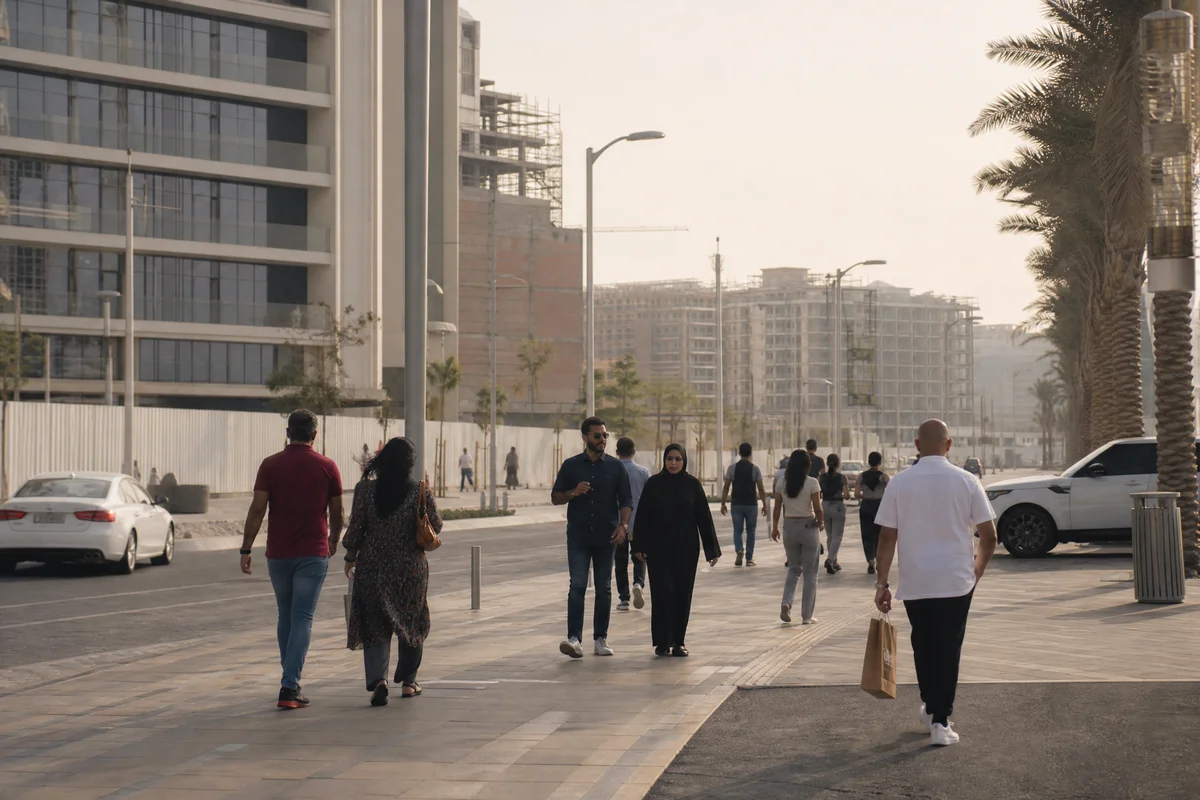
The market hadn't stopped — it had simply polarised. Institutional investors and Gulf sovereign funds kept pumping liquidity, while retail foreign investors, scared by media headlines, paused their wire transfers. The result? A two-speed market.
The post-Geneva "spring" effect
What we're witnessing these days is the spring effect. The peace deal didn't "deflate" interest in Dubai — it uncorked it.
In the week following the signing alone, we saw dozens of deals that had been on hold finally close. The data speaks clearly: an immediate 26% rebound in foreign transaction value. And the most interesting thing is where this capital is flowing. No longer just into ultra-luxury villas worth tens of millions, but into the "core" segment below 3 million Dirhams — the one that builds the real backbone of a growing city attracting professionals from around the world.
What does this mean for your portfolio?
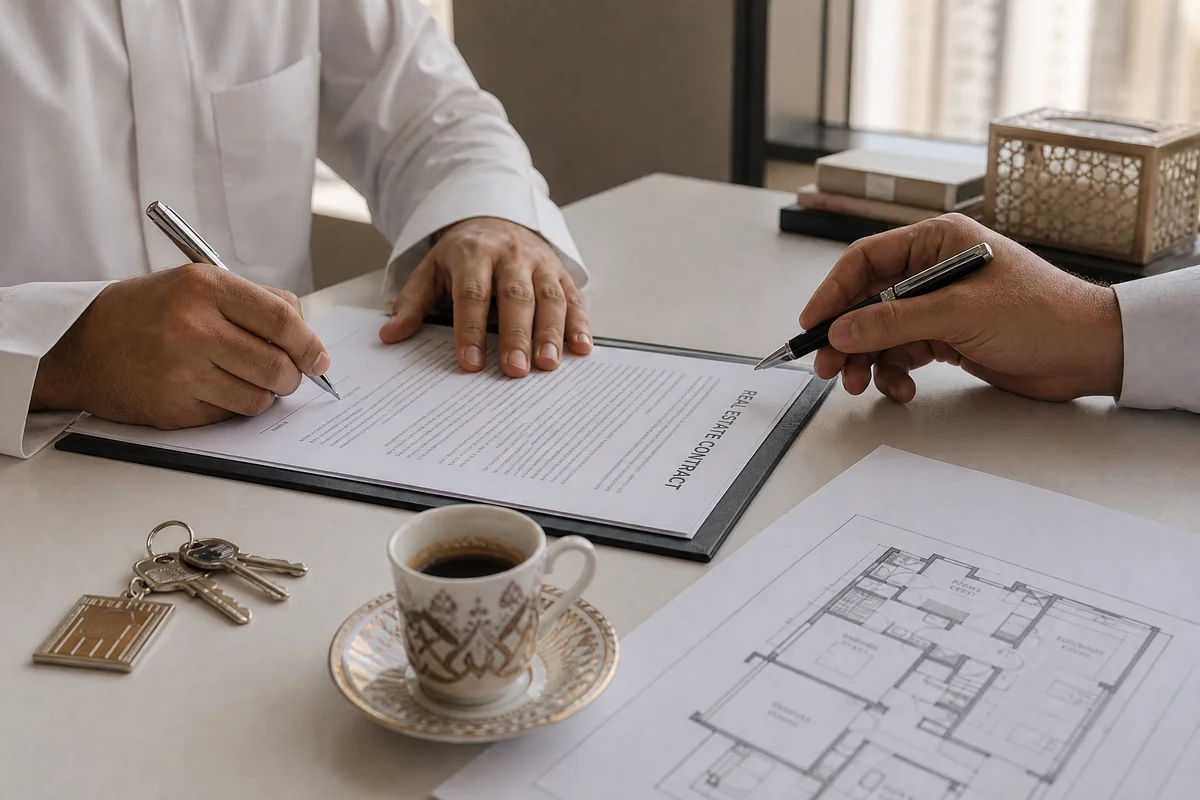
If you were waiting for "the situation to calm down" before considering a Dubai investment, that moment has arrived. But be careful: the post-deal market is a mature market, no longer fuelled by geopolitical safe-haven urgency.
Developers are adjusting their strategies. Off-plan continues to dominate, but project selection is becoming surgical. Those investing today aren't buying to escape a risk anymore — they're participating in an economy that has demonstrated impressive structural resilience. The US-Iran deal has removed the alibi of fear: now only fundamentals, rental yields, and construction quality matter.
We've been through this — and we can guide you
At Rema Living we don't have a crystal ball, but we have the data and, most importantly, physical presence on the ground. When everyone was crying collapse during the hardest weeks of the Hormuz blockade, we were advising our clients to look beyond the dust raised by the media.
Today, those who had the clarity to position themselves during those months are already seeing the fruits of a market resetting upward. If you want to concretely understand what investing in Dubai means right now — without promises of stellar returns, without commercial pressure — book a call with us. Thirty minutes that could change the way you look at your wealth.
A practical tip for the coming weeks
If you have idle liquidity and are looking at the Emirates, don't chase the "last minute deals" that will inevitably appear now that sentiment is positive.
Focus on two things: areas with strong infrastructure development plans — like Dubai South, which saw a 36% surge in transactions in May — and developers who delivered projects on time during the crisis. The market has restarted, but quality always rewards those who have the patience to seek it.

