
What Are the Consequences of the Oil Crisis on Dubai’s Real Estate Market? Will the Middle East Conflict Change Opportunities for Investors? How Will the UAE Property Market Respond to New Geopolitical Dynamics?
Today, June 8, 2026, the world watches closely as the OPEC+ meeting convenes to decide new oil production quotas amid a deepening crisis. The oil market remains paralyzed by the Iran-USA-Israel war, which has blocked the Strait of Hormuz since February 28 — now over 100 days. This blockade has nearly doubled oil prices, while OPEC+ production has plummeted from 43 to 33 million barrels per day. Meanwhile, the United Arab Emirates has left OPEC to increase independent production. Sources including AFP, Goldman Sachs, Fitch, and Global SWF confirm the critical situation but also signal resilience in Dubai’s premium real estate segments and the investment activity of major regional sovereign wealth funds.
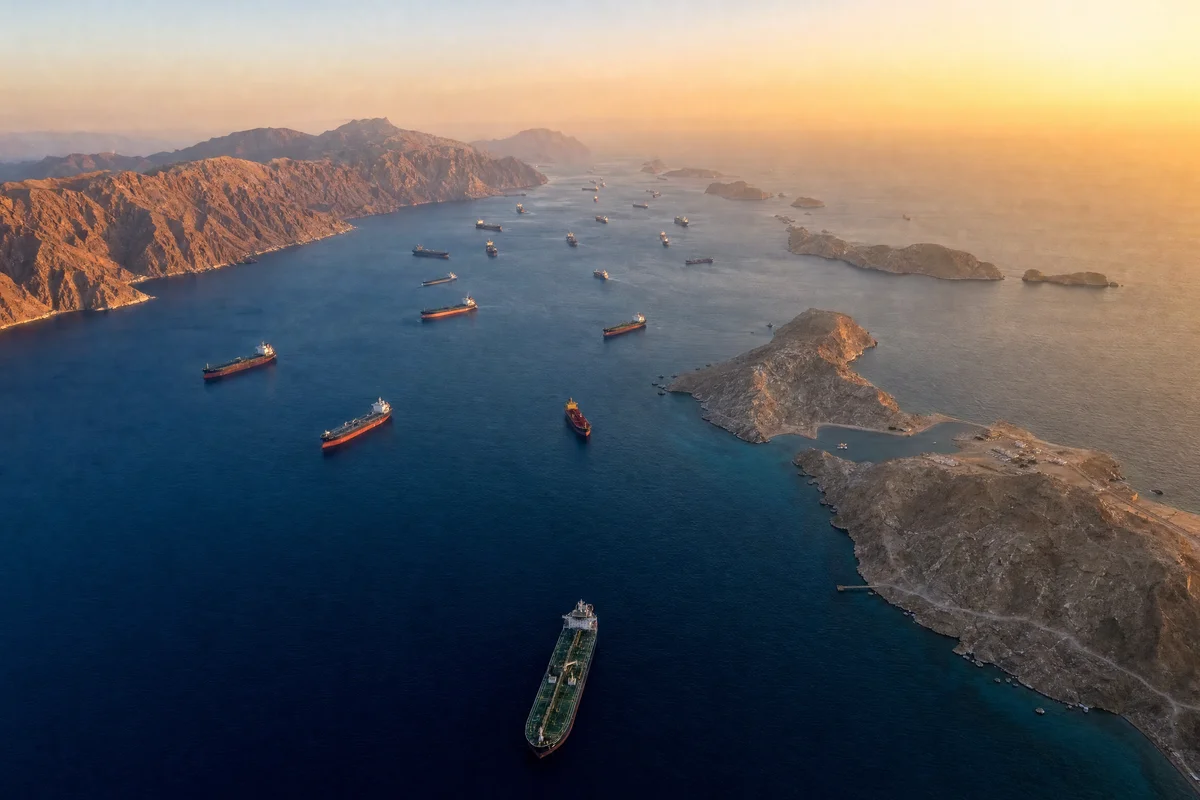
Geopolitical Context and the Key Numerical Data Behind the Crisis
The Middle East conflict has a direct, palpable impact on the global economy: the Strait of Hormuz blockage — one of the main oil export routes — has forced OPEC+ to lose about 10 million barrels per day compared to pre-crisis levels. Today’s meeting is crucial to setting future production quotas, yet uncertainty dominates. The UAE has chosen an independent path by exiting OPEC to boost its national production and mitigate the crisis’s effects on its energy budget. According to Fitch, this geopolitical tension will likely lead to a correction in Dubai’s real estate market of around 15% by the end of 2026. However, Gulf sovereign wealth funds, managing assets totaling $5.7 trillion, continue to invest heavily in both international and local markets: Mubadala alone has allocated over $5.6 billion in developed areas since the conflict began, reaffirming a diversification strategy aimed at capital preservation.
The Real Impact on Dubai’s Real Estate Market
Since January 2026, Dubai’s real estate sector has experienced a significant contraction, with a 41% drop in transaction volume. This decline reflects economic uncertainty caused by the oil crisis and ongoing regional war. Nevertheless, the prime segment and high-quality properties show greater resilience compared to the mass market, which is more affected by reduced demand and pricing pressure. The 15% correction forecasted by Fitch is expected to be more pronounced in mid-to-lower-tier properties, while luxury and investment-grade segments remain attractive, especially for foreign investors operating with medium-to-long-term horizons who seek low-volatility assets in the Gulf region.

What Are the Prospects for Italian Investors? Scenarios and Opportunities
For Italian investors, the current situation presents both challenges and opportunities to enter or strengthen their position in Dubai’s property market. The anticipated correction could enable purchases at more attractive prices, particularly in the premium segment, where demand remains stable due to sovereign wealth funds and major local players’ confidence. Future scenarios will largely depend on the evolution of the oil crisis and geopolitical stabilization. However, given Dubai’s continued appeal through favorable tax policies, world-class infrastructure, and diversified international demand, investing now means strategically preparing for a rebound in the coming years and capitalizing on opportunities in a competitive, dynamic market.
Why Choose Rema Living to Navigate This Moment
Rema Living Real Estate, an Italian agency specializing in the UAE property market, offers professional and detailed support to clients navigating the current landscape. With in-depth knowledge of Dubai’s market and a solid local network, Rema Living guides Italian investors toward informed decisions and targeted strategies. We provide personalized consultations, real-time updates, and full assistance throughout the buying process — from property search to market scenario analysis and beyond. Trusting experts familiar with local dynamics is essential to minimize risks and maximize investment potential.
Practical Advice for Investors Ready to Act Now
In this time of geopolitical uncertainty and market correction, caution is paramount. Investors are advised to focus on high-quality properties in established locations, prioritizing projects with strong fundamentals and low risk. Impulsive decisions should be avoided — always seek professionals who can deliver accurate analyses and current data. Finally, carefully diversifying the real estate portfolio and continuously monitoring regional political and economic developments will better manage potential market fluctuations and help seize recovery opportunities when they arise.

