

The question that always follows the number
When an investor calls me after reading that seven in ten Dubai sales are off-plan, the question is almost always the same: is this a sign of strength or a risk? The serious answer does not fit into one word. Buying during construction can provide a useful payment plan and early access to a growing area, but it also requires you to assess something you cannot yet visit: the developer's ability to turn a contract, capital and schedule into a completed home. The number should therefore open the due-diligence process, not close it.
Seventy percent shows where the market is concentrated
In the thirty days to 17 September 2026, Dubai's residential sales register recorded 10,281 transactions worth AED 20.70 billion. Of these, 7,170 were off-plan and 3,111 involved completed properties, meaning 70% of the volume was still tied to projects under construction or yet to be built. In September alone, through the 17th, the register showed 6,144 sales worth AED 12.52 billion. These are solid figures, but they also show that a dominant share of capital is being committed before handover.
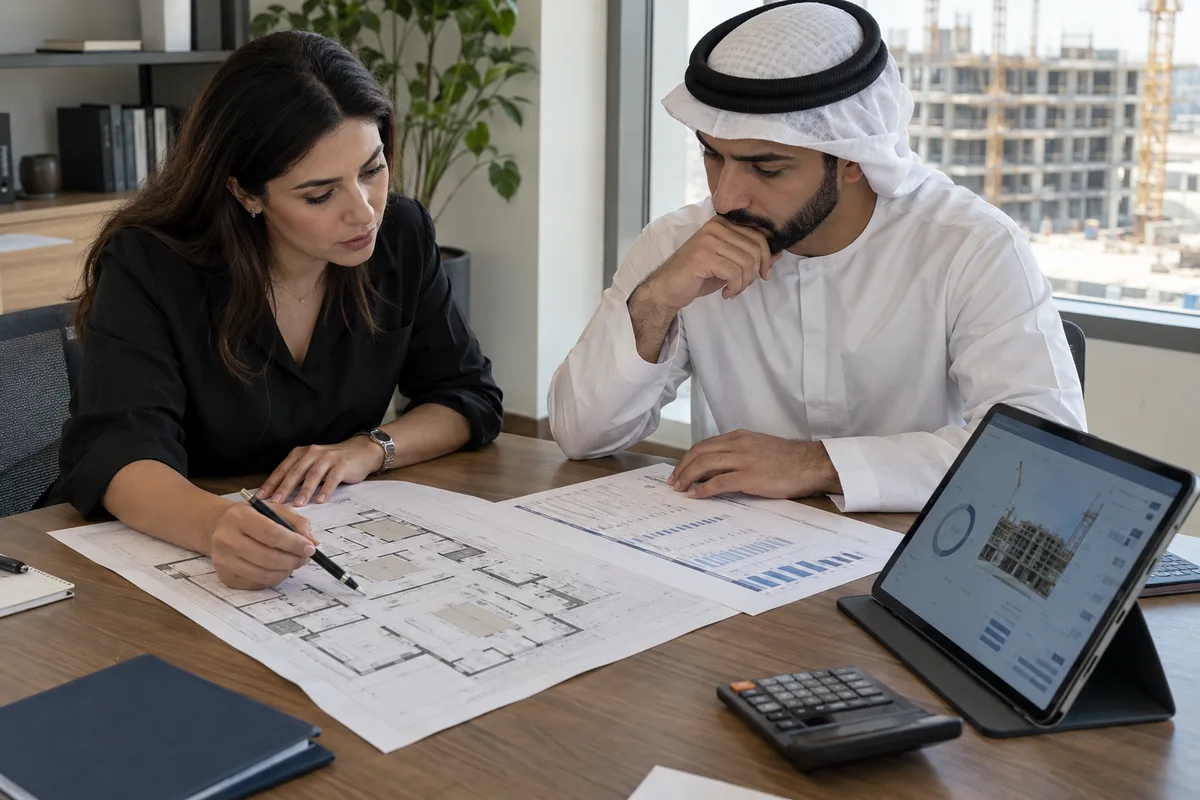
The turn: this is not a verdict on the market
The off-plan share does not automatically prove that prices will rise, nor that a bubble exists. It mainly tells us where operational risk sits. A buyer is not purchasing only square metres: the purchase includes the developer's delivery discipline, escrow management, contract quality and future demand in the area. It is no coincidence that Dubai Land Department has introduced the Initial Registration platform, integrating project and transaction registration, escrow accounts and a consolidated project view with early-warning indicators. As the market grows, transparency and control become part of the asset's value.
What this changes for an international investor
For someone investing from abroad, the main risk is confusing a convenient payment plan with a good price. Instalments reduce the initial cash outlay, but they do not remove delay risk, competition from nearby handovers or the possibility that resale value will not cover the costs. Three analyses must remain separate: the developer and its delivery record, the project and its financial structure, and the micro-location with its likely demand at completion. Only then does it make sense to compare the expected return with a ready property.
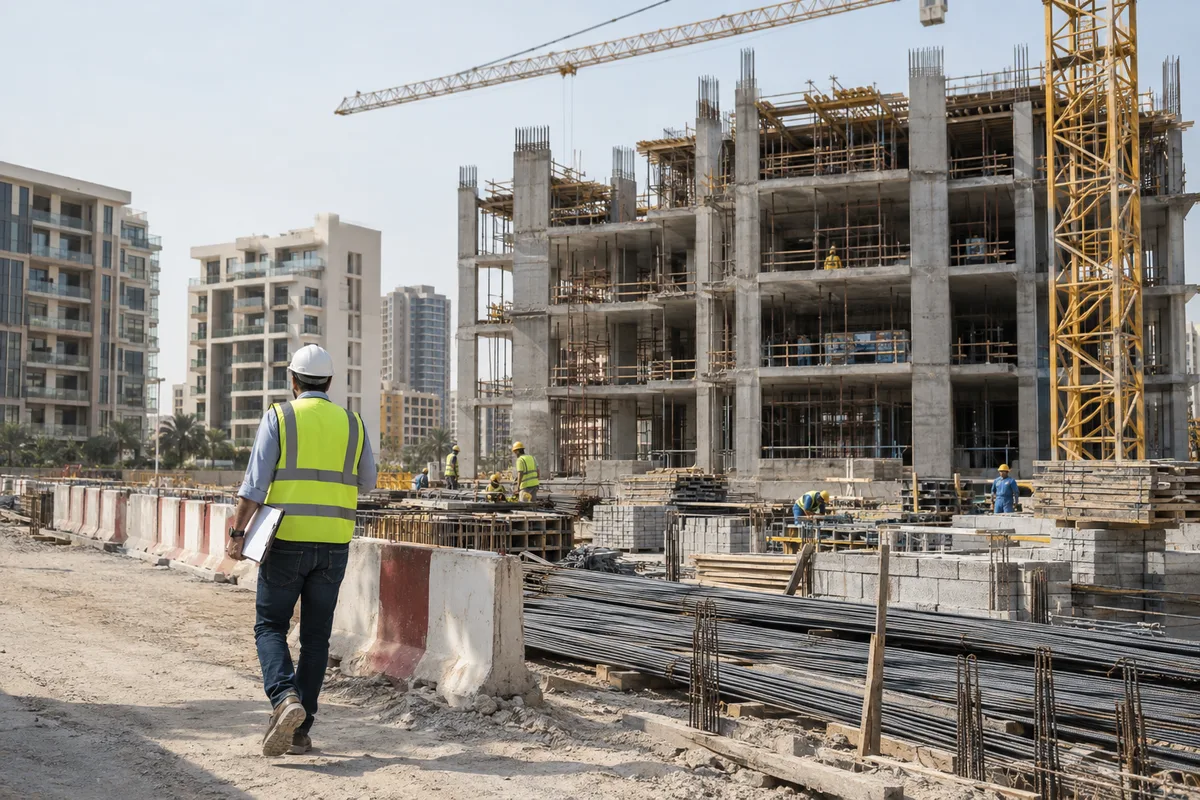
Why Rema Living starts with verification
At Rema Living, we do not treat off-plan as a category to promote or avoid. We analyse each opportunity using registered data, actual progress, contract terms, costs and delivered alternatives. Our job is to understand whether the project's premium truly compensates for the risk and whether the payment schedule fits the investor's liquidity. To examine an opportunity using this method, you can book a meeting with Rema Living.
The checklist before you sign
Before paying a reservation fee, request five precise checks: registration of the project and unit, the linked escrow account, documented construction progress, clauses covering delays and contract assignment, and a net scenario including every instalment and cost. Then add one mandatory comparison with at least one ready property in the same area and price range. If the off-plan opportunity still wins after that comparison, the decision has a rational basis. If it wins only because of the first instalment, more work is needed.
