

A city that never stops
Dubai never ceases to amaze me. I've been living in this city for many years now, and every time I think we've reached the peak of development, a new announcement changes everything. These days, while the rest of the world seems to be slowing down and questioning geopolitical uncertainties, Dubai's answer remains the same: build, invest, and prepare for the future. This long-term vision is exactly what drove me to found Rema Living Real Estate and bet on this market, because the numbers speak clearly and the direction is unambiguous.
The context: the new 2-billion Dirham road corridor
Today's news concerns the approval of the Latifa bint Hamdan Corridor Development Project, a major infrastructure investment worth 2 billion Dirhams (approximately $545 million). This is a strategic 12-kilometre corridor connecting some of Dubai's busiest arteries, including Sheikh Zayed Road, Al Khail Road and Emirates Road. The project includes seven bridges and eight tunnels, aiming to cut travel times by 54% — from 33 to just 15 minutes on key stretches. A monumental project that, by 2028, will serve approximately 650,000 residents and visitors.
The unexpected twist: infrastructure as a real estate driver
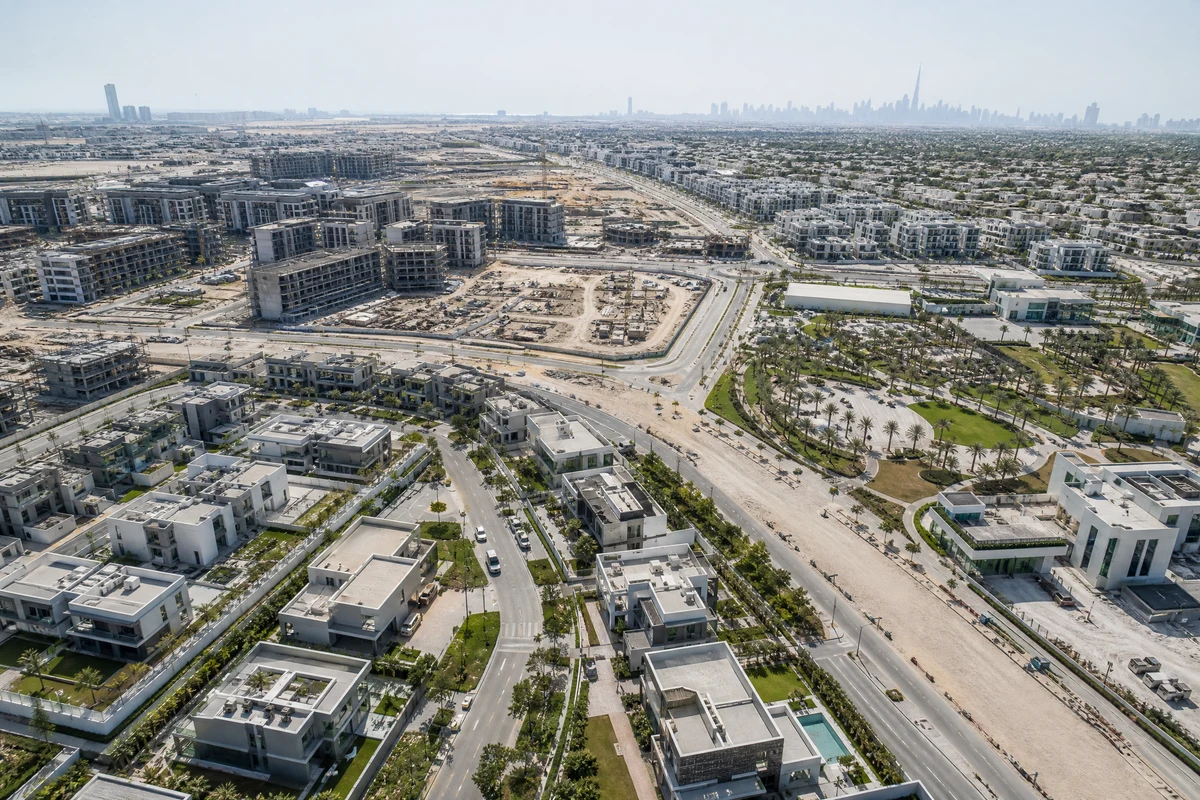
Many investors focus only on price per square metre or rental yields, forgetting that the true value of a property is often determined by what surrounds it. The real game-changer here isn't just reduced traffic — it's the direct impact on specific neighbourhoods. Areas like Nad Al Sheba, Al Barari, Dubai Hills and Mohammed Bin Rashid Gardens will gain unprecedented connectivity. Historically, every major infrastructure project in Dubai has generated an average appreciation of 12-18% in directly served neighbourhoods within 24 months of completion.
What this means for today's investor
If you're evaluating a real estate investment in Dubai, this is exactly the kind of news you need to learn to read before it becomes mainstream. By the time the corridor is completed in 2028, prices in nearby areas will already reflect the infrastructure's value. Those who enter today, while construction is still underway and prices haven't yet incorporated the future benefit, are positioning themselves ahead of an almost certain appreciation.
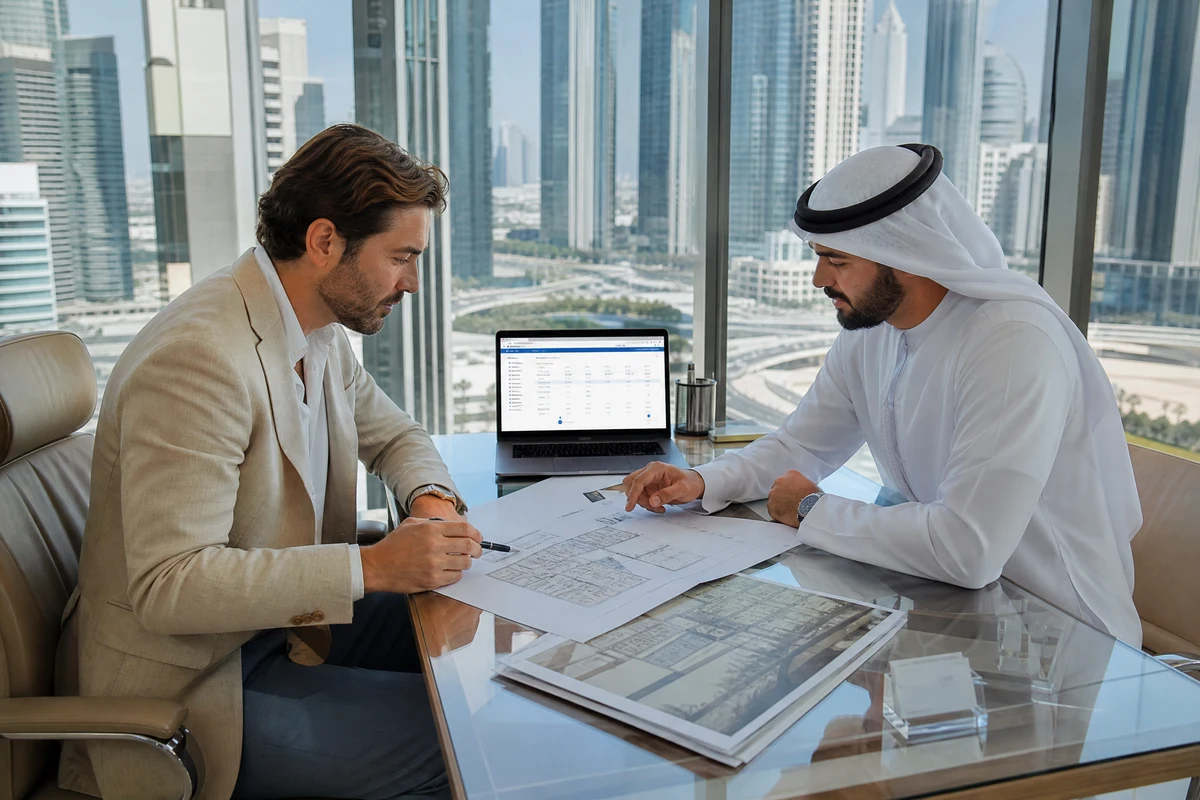
This isn't speculation: it's understanding how Dubai's market works, where government infrastructure decisions are always followed by a wave of private development. It's a mechanism that has repeated itself for twenty years and that, every time, rewards those who had the patience to look beyond the newspaper headline.
We've been through this — and we can guide you
At Rema Living we closely monitor every infrastructure announcement, every master plan, every Dubai Municipality decision that could affect property values in the coming seasons. We don't sell apartments: we build investment strategies for those who want to enter this market with awareness and no surprises.
If you want to understand which neighbourhoods are today where Dubai Marina or Downtown were fifteen years ago, contact us today. We'll show you the data, the maps and the concrete opportunities the market offers right now.
A practical tip
Before investing in any area of Dubai, always study the government-approved infrastructure plans. The Dubai Urban Master Plan 2040 is public, accessible and full of indications of where the city will grow over the next few years. You don't need to be an expert to read it: you just need the willingness to look beyond the present. And if you don't have time to do it alone, that's exactly why Rema Living exists.