

What are the potential effects of renewed Middle East diplomacy on Dubai’s property market? How might shifts in geopolitical tensions influence real estate trends in Dubai? Could recent international developments open new doors for investors in Dubai’s real estate sector?
Geopolitical Context and Market Data
On April 27, 2026, Reuters and Axios reported a significant diplomatic move: Iran has presented a new proposal through Pakistani mediators to the United States aimed at reopening the Strait of Hormuz and bringing an end to ongoing conflicts. This development delays nuclear negotiations to a later phase, signaling a possible thaw in regional tensions. Iranian Foreign Minister Araghchi’s visits to Oman and Moscow for bilateral talks further underscore this diplomatic momentum.
Amid this backdrop, recent market data provides insight into Dubai’s real estate climate. Christie's International Real Estate's April 22 survey reveals that only 5.8% of property owners in Dubai are actively selling, with none willing to make drastic price cuts. Encouragingly, 57.2% of respondents recommend buying or exploring market opportunities, while just 3.2% suggest exiting the market. Additionally, 73.1% have not increased investments outside the UAE, reflecting strong regional confidence.
Meanwhile, ValuStrat reports a 5.9% decrease in the Dubai Residential Price Index as of March 2026, marking the first drop since the COVID-19 pandemic. REIDIN data highlights a 20% reduction in residential transaction values to $10.1 billion, with secondary market sales down 30% month-on-month, particularly in luxury neighborhoods impacted by reduced foreign demand. CBRE’s Q1 2026 report corroborates these trends, noting a 40% slump in off-plan secondary transactions between February and March and a slowdown in annual price growth to 9.1%, alongside a modest 4.1% rise in rental rates. CBRE characterizes the market as undergoing recalibration rather than correction.

Concrete Impact on Dubai Real Estate Market
Dubai’s property market is navigating a phase of adjustment influenced by both geopolitical developments and shifting investor sentiment. The initial price decline post-COVID-19 signals a natural market correction after years of rapid growth. The 5.9% drop in the Residential Price Index and a 20% decrease in transaction values underscore a temporary cooling, especially within the luxury segment where foreign buyer activity has softened.
Nonetheless, market dynamics remain robust in several areas. The limited percentage of owners willing to sell and the strong advice to consider purchasing indicate underlying confidence. Rental growth of 4.1% year-on-year suggests sustained demand for leased properties, balancing the sales slowdown. Additionally, the high volume of transactions in neighboring Abu Dhabi—over 7,200 in Q1 2026, marking its second strongest quarter ever—reflects broader regional market vitality.
While off-plan secondary sales have contracted sharply, primary market activity and long-term prospects remain stable. HSBC’s affirmation of enduring confidence in the GCC region’s strength further supports this outlook. Dubai’s strategic location, diversified economy, and evolving infrastructure continue to attract global investors despite short-term fluctuations.
Perspective for Italian Investors: Scenarios and Opportunities
For Italian investors assessing Dubai’s real estate in 2026, these developments present a nuanced landscape. The market recalibration phase offers potential entry points without the risk of a deep correction. The restrained seller activity and resistance to steep price cuts suggest that value remains protected. Investors can explore high-demand rental markets, which are demonstrating steady income growth, and carefully evaluate luxury properties where selective opportunities may arise due to reduced foreign demand.
Geopolitical improvements, such as the potential reopening of the Strait of Hormuz, could enhance regional stability, potentially uplifting investor sentiment and encouraging increased foreign capital flows to Dubai. Italian buyers with a long-term horizon may find Dubai’s market fundamentals—supported by infrastructure expansions, Expo legacy projects, and business-friendly policies—aligned with diversified portfolio strategies.
Scenarios to watch include gradual absorption of secondary market inventories and possible renewed interest from international buyers as geopolitical risks diminish. Italian investors are advised to remain attentive to market signals and leverage local expertise to identify undervalued assets and emerging neighborhoods offering attractive yields.
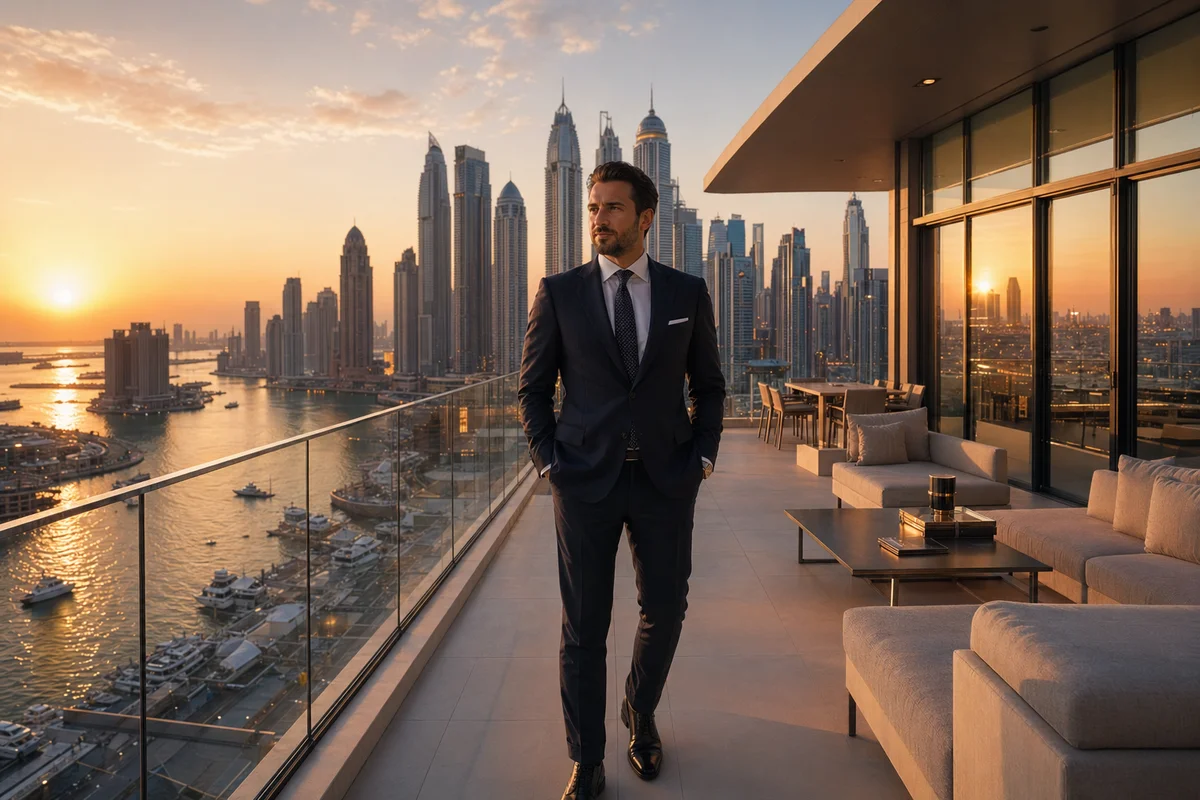
Why Rema Living Has Practical Answers for Italian Investors
Rema Living, as an Italian real estate agency specializing in Dubai, offers tailored guidance grounded in deep market knowledge and cultural understanding. We provide comprehensive analysis of current geopolitical and economic factors shaping Dubai’s property landscape, enabling Italian investors to make informed decisions.
Our expertise covers both off-plan projects and ready properties, with access to exclusive listings and insights into market timing. We assist with navigating regulatory frameworks, financing options, and post-purchase management, ensuring a seamless investment experience. In a market undergoing recalibration, Rema Living’s proactive strategies help clients capitalize on opportunities while mitigating risks.
Choosing Rema Living means partnering with professionals committed to transparency, personalized service, and results-driven outcomes aligned with Italian investors’ expectations and aspirations.
Practical Common-Sense Advice
Investors should approach Dubai’s real estate market with a balanced perspective, recognizing short-term fluctuations as part of a healthy cycle. Conduct thorough due diligence and avoid speculative purchases driven by market noise. Focus on properties with strong fundamentals—good location, quality developers, and sound rental demand.
Monitor geopolitical developments closely, as regional stability can materially influence market sentiment and capital flows. Diversify investments across property types and neighborhoods to spread risk. Work with trusted local agents like Rema Living who provide up-to-date data and personalized advice tailored to your investment goals.
Finally, adopt a long-term outlook. Dubai’s real estate market has demonstrated resilience and growth potential over time, rewarding patient investors who align purchases with macroeconomic trends and infrastructural progress.
