

What impact could the Iranian drone attack in the Strait of Hormuz have on Dubai’s real estate market? How will investment dynamics evolve amid the current geopolitical landscape? What risks and opportunities lie ahead for Italian investors facing the new Persian Gulf authority?
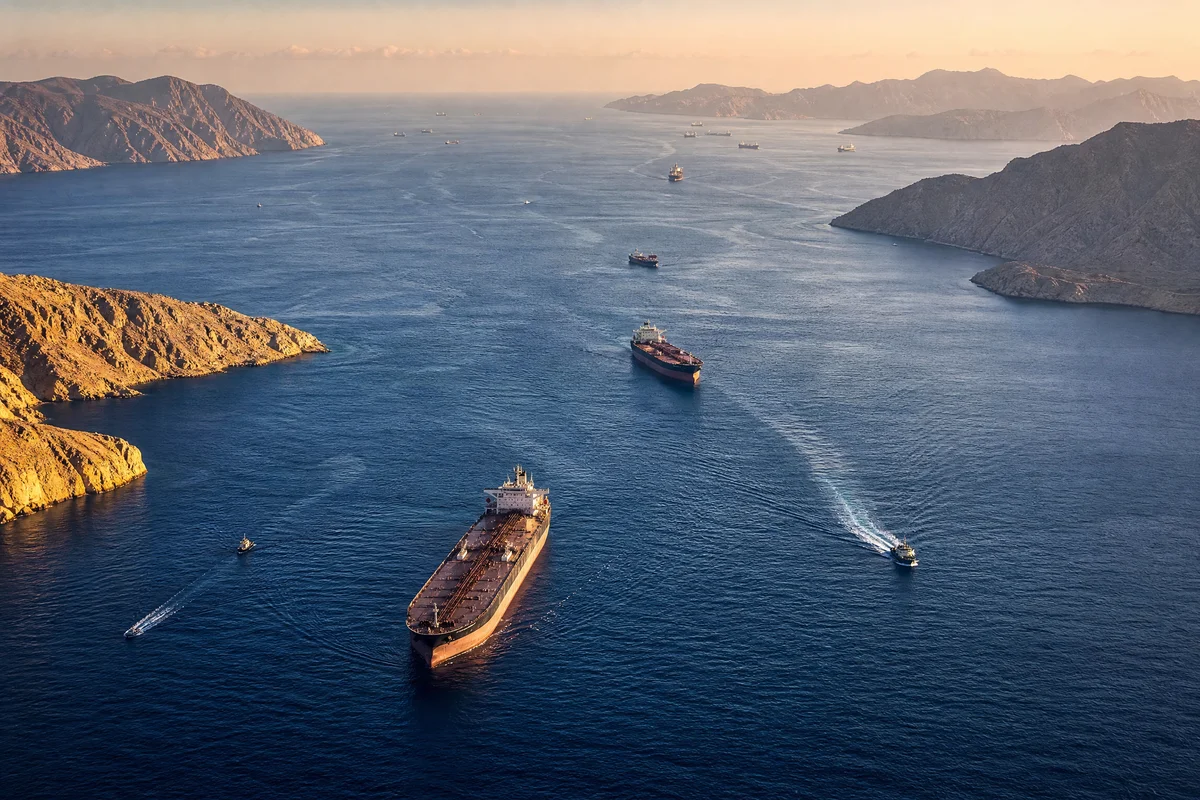
On June 26, 2026, Iran’s Revolutionary Guards launched a drone strike against a Singapore-flagged commercial vessel in the Strait of Hormuz, damaging its command bridge. This incident prompted the IMO, the United Nations maritime organization, to temporarily suspend naval escort operations in the area (source: Reuters). Simultaneously, Iran established a Persian Gulf Strait Authority, enforcing mandatory shipping routes and threatening consequences for shipowners who fail to comply (Al Jazeera). In response, the United States and Gulf Cooperation Council (GCC) countries issued a joint statement affirming support for free and unrestricted navigation through the Strait (The Independent). This escalation unfolds within a complex geopolitical context, especially after the US and Iran signed a memorandum of understanding earlier in June aimed at ending the conflict, which immediately pushed oil prices below $75 per barrel for the first time in months.
The ripple effects of these events are already visible in Dubai’s real estate market data for the first quarter of 2026. According to fäm Properties, there were 48,000 transactions totaling AED 177 billion, marking a 23.4% increase compared to the same period last year. Average prices rose to AED 1,759 per square foot, up 12.5% year-on-year. However, growth has moderated compared to previous years, slowing from +17-18% in 2024 to +4-5% in 2026. The median transaction value in Q2 dropped to AED 1.36 million, down 17% from 2025, indicating a growing preference for more compact properties. Should the suspension of naval escorts in the Strait continue, regional economic flows and project delivery timelines could face disruptions, as evidenced by Emaar’s 3-4 month postponement of some launches due to supply chain issues. Nonetheless, Dubai remains a magnet for wealth, attracting over 10,000 millionaires in 2025 and an estimated capital inflow of $63 billion (Henley & Partners), with GDP growth forecast at 4.5% for 2026 (Emirates NBD).
For Italian investors, the current environment presents both challenges and opportunities. Heightened geopolitical uncertainty calls for a cautious and well-informed approach, yet the slowdown in price growth alongside a shift toward smaller properties may offer more accessible entry points. Dubai continues to be a strategic hub for Italian capital seeking diversification and stability, thanks to its robust local economy and favorable tax climate. Investing now could position buyers to capitalize on a market adjustment phase and gain an advantageous foothold ahead of a potential upturn, especially in the luxury residential segment and properties geared toward short-term rentals for an international clientele.