

Is the Strait of Hormuz Closure a Temporary Disruption or a Long-Term Challenge for Dubai? What Does Moody’s Warning Mean for Regional Stability? How Will Dubai’s Market Navigate This Geopolitical Uncertainty?
The partial closure of the Strait of Hormuz has raised pressing questions for investors and analysts alike. Is this disruption a fleeting challenge, or does it signal a prolonged period of instability in one of the world’s most strategic maritime corridors? Moody’s recent report dated May 18, 2026, suggests that a full reopening of the strait within this year is unlikely, adding a layer of complexity to regional economic forecasts. Given this evolving situation, how resilient will Dubai’s real estate market prove to be amidst these geopolitical headwinds? Questions about the implications for trade flows, energy security, and investment confidence are central to understanding the broader impact on Dubai as a regional hub. The uncertainty invites a closer examination of the interplay between geopolitical developments and real estate dynamics in the UAE’s most vibrant city.
Geopolitical Context: The Strait of Hormuz Crisis and the UAE’s Strategic Response
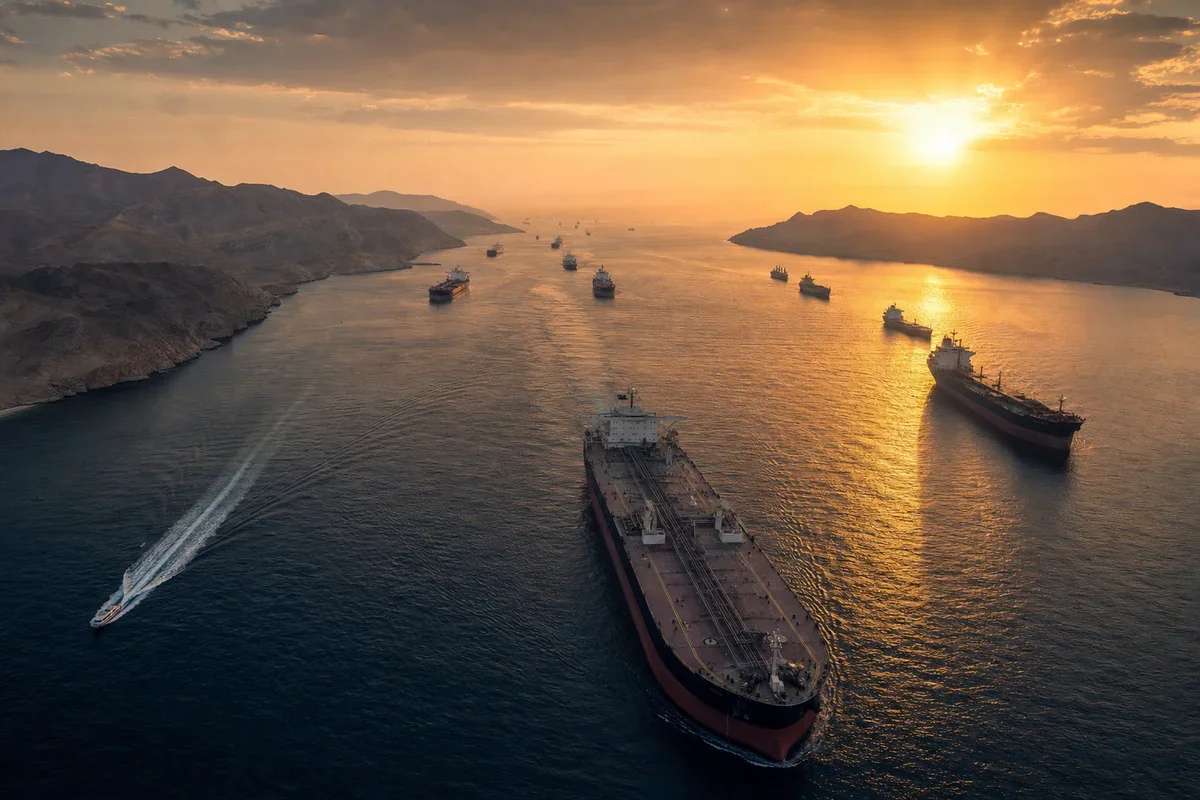
The Strait of Hormuz remains partially closed as of mid-2026, with more than 1,500 ships reportedly blocked and maritime traffic through this vital corridor down by 89%. According to Moody’s May 18, 2026 report, this disruption has stranded approximately $23.7 billion worth of goods, severely affecting global supply chains. The strait’s closure impacts nearly a fifth of the world’s seaborne oil trade, with Brent crude prices hovering around $109 per barrel, reflecting market concerns over supply constraints. In response, the UAE is accelerating its strategic infrastructure projects to mitigate the strait’s impact. ADNOC’s Fujairah pipeline project, aimed at bypassing the Strait of Hormuz, is on track to double export capacity to between 3 and 3.4 million barrels per day by 2027. This development underscores the UAE’s commitment to maintaining energy flows and regional stability despite ongoing tensions. The geopolitical landscape remains fluid, with these shifts influencing investor sentiment and trade dynamics across the Gulf region.
Dubai Real Estate Market Shows Remarkable Resilience Amidst Geopolitical Uncertainty
Despite the ongoing challenges linked to the Strait of Hormuz situation, Dubai’s real estate market has demonstrated notable resilience in the first quarter of 2026. Transactions reached an unprecedented AED 139 billion, marking a 21.5% increase year-on-year. This surge in activity reflects strong buyer confidence and sustained demand from both local and international investors. Weekly transactions averaged AED 14.73 billion, reinforcing the market’s robust momentum. Residential property values have also appreciated by 8.9% year-on-year, according to ValuStrat data, highlighting continued upward pressure on prices despite external uncertainties. Prominent developers like Emaar have reported a 35% increase in net profit for Q1 2026, a clear indicator of healthy market fundamentals. These figures suggest that, rather than being deterred by geopolitical risks, investors are viewing Dubai’s property sector as a safe haven and a strategic diversification avenue.
Why the Hormuz Crisis Could Strengthen Dubai’s Appeal to International Investors
Paradoxically, the Strait of Hormuz crisis may enhance Dubai’s attractiveness as an investment destination. The city’s status as a neutral and stable hub in a volatile region positions it favorably for capital seeking security and growth. The UAE’s diplomatic efforts to act as a mediator in regional tensions further bolster investor confidence by promoting stability. Additionally, the UAE dirham’s peg to the US dollar provides currency stability, an essential factor for international investors wary of exchange rate fluctuations. Dubai’s real estate market offers competitive rental yields ranging between 6% and 8%, combined with zero taxes on rental income, making it a compelling proposition for long-term investors. These structural advantages, coupled with proactive government policies and robust infrastructure development, underpin Dubai’s role as a premier safe haven amidst geopolitical uncertainties.

Rema Living’s Expertise: Navigating Dubai’s Market in Uncertain Times
Rema Living is uniquely positioned to guide international investors through the complexities of Dubai’s evolving real estate landscape. With a direct presence in Dubai and deep Italian market expertise, Rema Living offers tailored advice that aligns with the current geopolitical and economic realities. Understanding the nuances of local regulations, market cycles, and emerging opportunities is critical in times of uncertainty. Rema Living’s team provides comprehensive support from property selection to transaction execution, ensuring investors make informed decisions that maximize returns and mitigate risks. Their on-the-ground knowledge enables clients to capitalize on Dubai’s resilient market trends, leveraging the city’s strategic advantages highlighted by recent developments such as the Fujairah pipeline acceleration and record transaction volumes.
Practical Advice for Investors Evaluating Dubai Real Estate Amid the Hormuz Crisis
For investors considering entry or expansion in Dubai’s property market during this period, a measured, research-driven approach is essential. One practical tip is to focus on properties in well-established communities with proven demand, as these areas tend to offer greater liquidity and steady rental income even during geopolitical fluctuations. Monitoring transaction volumes and price trends from reputable sources such as ValuStrat and developer financial reports can provide valuable market signals. Additionally, engaging with experienced agencies like Rema Living ensures access to up-to-date information and strategic insights tailored to international investors’ needs. Patience and due diligence remain key virtues in navigating the market effectively while capitalizing on Dubai’s unique position as a resilient investment hub.