
UAE Exits OPEC: What Are the Implications for Real Estate Investors in Dubai?
What impact will the United Arab Emirates' exit from OPEC have on real estate investments in Dubai? How will ongoing geopolitical tensions in the region, particularly the situation surrounding the Strait of Hormuz, influence the local property market? In a global context marked by economic and political uncertainty, what key factors should Italian investors consider before committing to Dubai’s real estate sector?
The Gulf Geopolitical Landscape After the UAE’s OPEC Departure and the Strait of Hormuz Situation
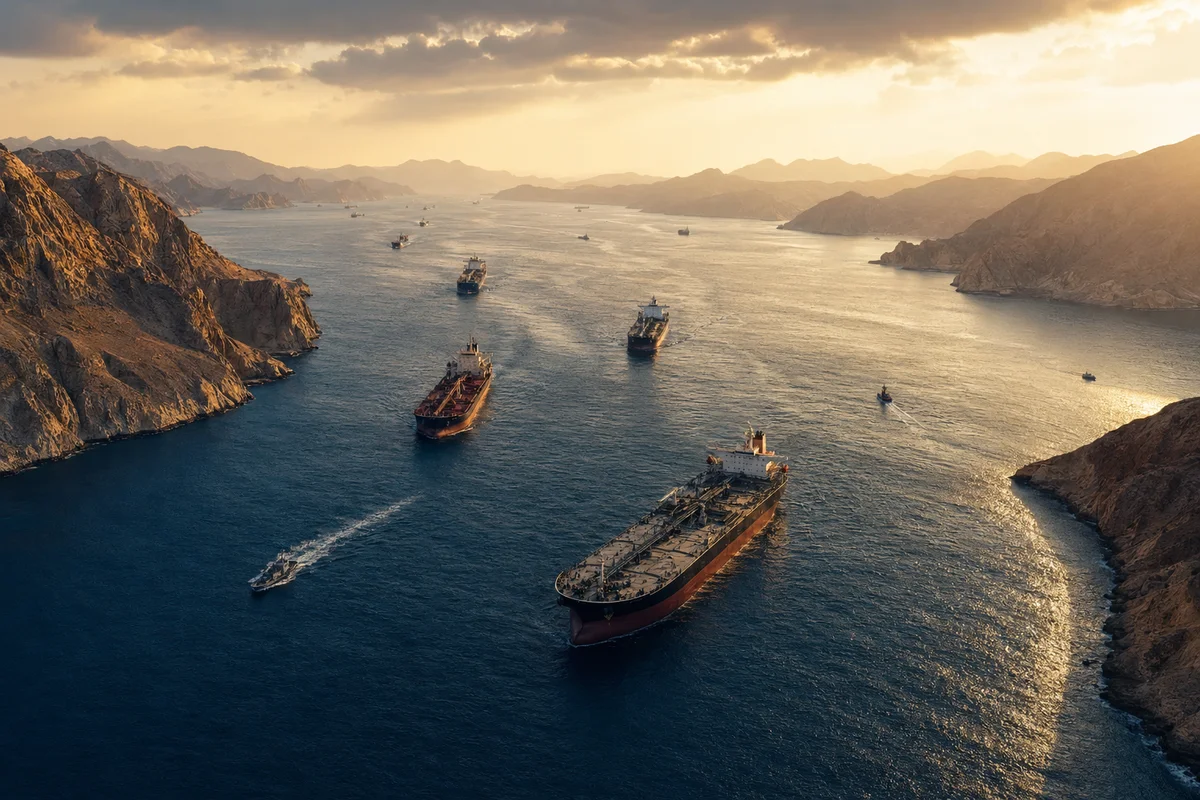
May 1, 2026, marks a historic turning point as the United Arab Emirates officially withdraws from OPEC (source: AP News). This unprecedented move by one of the region’s major oil producers comes amid heightened geopolitical tensions. The Strait of Hormuz—an essential corridor for global crude oil transit—remains blocked due to the ongoing conflict between Iran and the United States. Iran has offered to reopen the Strait contingent upon the US lifting its blockade and ending the conflict, but it has excluded its nuclear program from negotiations. Conversely, prominent US political figures such as Donald Trump and Marco Rubio appear unlikely to concede on these terms, maintaining a firm stance. Meanwhile, Brent crude oil prices remain over 50% higher than pre-war levels, fueling instability in energy markets.
Economically, the GCC region recorded a 9.7% year-on-year decline in contracted projects during Q1 2026, falling from $67.8 billion to $61.2 billion (source: Zawya/Kamco Invest). The UAE saw an even sharper contraction of 18.5% in construction contracts during the same period, decreasing from $35.8 billion to $29.2 billion. Concurrently, the International Monetary Fund revised its global economic growth forecast for 2026 downward to 2.0%, with the MENA region projected at 1.1% (source: IMF). Furthermore, by distancing itself from both OPEC and the Gulf Cooperation Council (GCC), the UAE appears to be pursuing a more independent and autonomous role in regional geopolitics, opening new and complex scenarios.
Dubai Real Estate Market in Q1 2026: Navigating Challenges and Demonstrating Resilience
Despite the complex geopolitical and macroeconomic backdrop, Dubai’s real estate market showed notable resilience in the first quarter of 2026. Demand and investor confidence remained strong, supported by a growing population of ultra-high-net-worth individuals (UHNW) in the UAE. According to the Knight Frank Wealth Report 2026, this demographic is projected to increase by 36% by 2031, rising from 4,851 to 6,588 individuals. This trend underscores Dubai’s appeal as a global hub for wealth and investment.

However, the ValuStrat Price Index recorded its first monthly decline in property prices in March 2026, with a correction of -5.9%, signaling a market adjustment after years of continuous growth. Regionally, the GCC project market contracted, with contracts down 9.7% year-on-year and an even more pronounced 18.5% drop in UAE construction contracts during Q1 2026. These figures suggest a phase of market consolidation rather than a structural crisis. The balance between solid demand—particularly from international and UHNW investors—and moderate price corrections indicates a market seeking more sustainable foundations.
Outlook and Opportunities for Italian Investors in Dubai in 2026
For Italian investors, Dubai remains an attractive and relatively safe destination even amid geopolitical complexities. The UAE’s exit from OPEC and regional tensions, while introducing certain uncertainties, reflect a strategic shift towards greater autonomy and flexibility that could lead to more innovative economic and investment policies less bound by traditional balances. The growing UHNW presence, combined with both domestic and international demand, fuels opportunities to diversify real estate portfolios, especially in the high-end residential segment.
The recent price correction should not be viewed as purely negative but rather as an opportunity to enter a market that is maturing and consolidating. Additionally, Dubai continues to benefit from a strategic location, cutting-edge infrastructure, and a favorable regulatory environment that attracts foreign investors, including Italians. Careful consideration of timing and investment type is crucial, with preference given to properties offering appreciation potential and liquidity to better navigate geopolitical uncertainties.
Rema Living: Your Expert Guide to Informed Investment in Dubai
Rema Living Real Estate, with its deep expertise in Dubai’s property market and dedicated focus on Italian investors, is the ideal partner to navigate this period of change. Through a personalized approach and consultations grounded in up-to-date data and comprehensive geopolitical and economic analysis, Rema Living provides targeted solutions to invest in Dubai’s real estate market with confidence.
Our team stays continuously informed about market developments and emerging opportunities, ensuring professional support throughout every stage of the investment process—from property selection to post-purchase management. Choosing Rema Living means partnering with experts who understand market signals and translate them into effective strategies tailored for Italian investors.
Practical Advice for Italian Investors in a Complex Market
In a period marked by geopolitical volatility and signs of price correction, the practical advice for Italian investors is to maintain a balanced and diversified approach. Avoid impulsive decisions driven by fear or excessive optimism, and instead conduct careful evaluations of property profiles, locations, and liquidity. Investments in Dubai should be viewed with a medium-to-long-term perspective, emphasizing project quality and developer credibility.
Additionally, continuous monitoring of geopolitical and macroeconomic developments is essential, relying on expert consultants for timely updates and risk mitigation strategies. This approach enables investors to seize market opportunities without underestimating the complexities of the current environment.