

What is property snagging?
It is one of the most common questions when the delivery of a new home in Dubai gets closer. Snagging is the detailed inspection of the property before handover, which is the formal delivery of the keys. Its purpose is to find defects, unfinished work or items that do not function as they should.
The simple answer
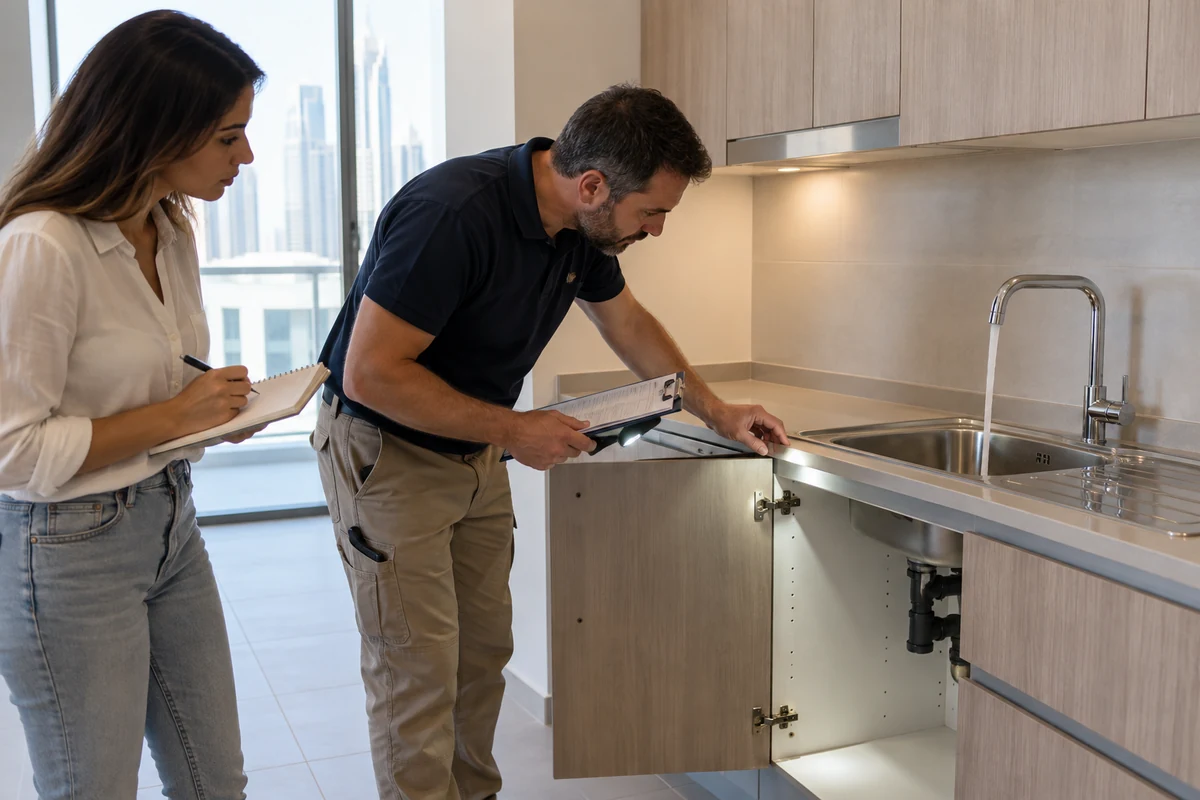
During snagging, you check finishes and systems: doors, windows, tiles, taps, drains, electrical sockets, air conditioning and fitted furniture. Each problem is photographed and added to a snag list, which is sent to the developer. It is not a property valuation and it does not replace the sale contract.
A practical example
Imagine an apartment with a dead socket, a leak under the sink and a door that does not close correctly. Each issue may look small. If you discover them after moving in, however, they can require time, technical visits and possible costs. A dated report with photographs, sent in writing, gives the developer a clear list of work to organise before delivery.
What this changes for a buyer
Snagging does not guarantee that every defect will be fixed immediately, and it does not automatically allow you to stop a payment: the sale contract and the developer's procedure still apply. It does create clear evidence of the unit's condition. Dubai law also provides developer liability for ten years for structural defects and for one year from handover for defective mechanical, electrical and sanitary installations. An initial inspection helps distinguish existing defects from problems that appear later.
Why Rema Living
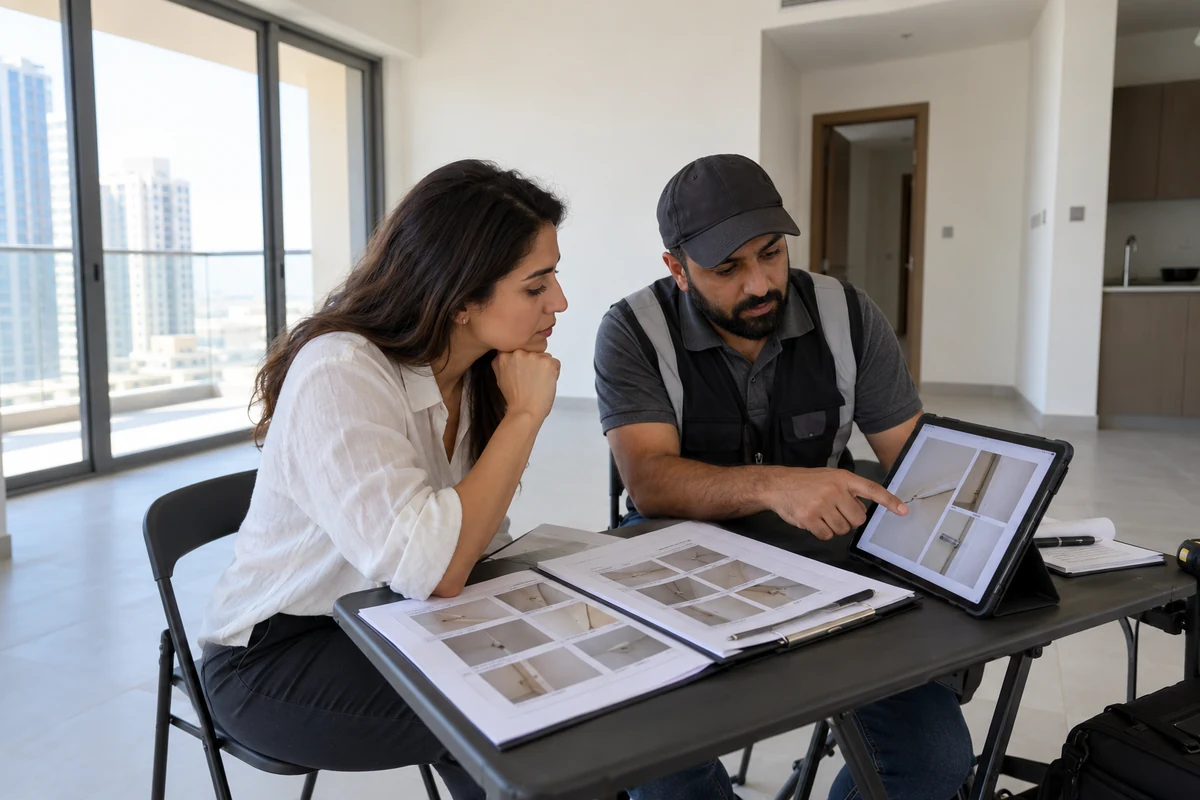
Buying well is not only about choosing a project. It also means managing the steps between signing and receiving the keys. Rema Living helps buyers read the contract, prepare for handover and coordinate practical checks without confusing a technical inspection with a sales promise. To discuss your purchase, book a meeting with Rema Living.
What to check now
Ask in writing when you can access the unit. Read the contract terms for timing, payments and handover. Test water, electricity, air conditioning, doors, windows, tiles and fitted furniture. Photograph every defect, identify its exact location and send one complete report. Finally, request written confirmation of the repairs and, where possible, complete a second inspection before signing the acceptance form.
