
Could the Strait of Hormuz reopening ease energy tensions? Could this impact global trade and regional stability? What does Iran’s potential move mean for Dubai’s property sector?
Geopolitical Context: Iran’s Announcement and Global Impacts
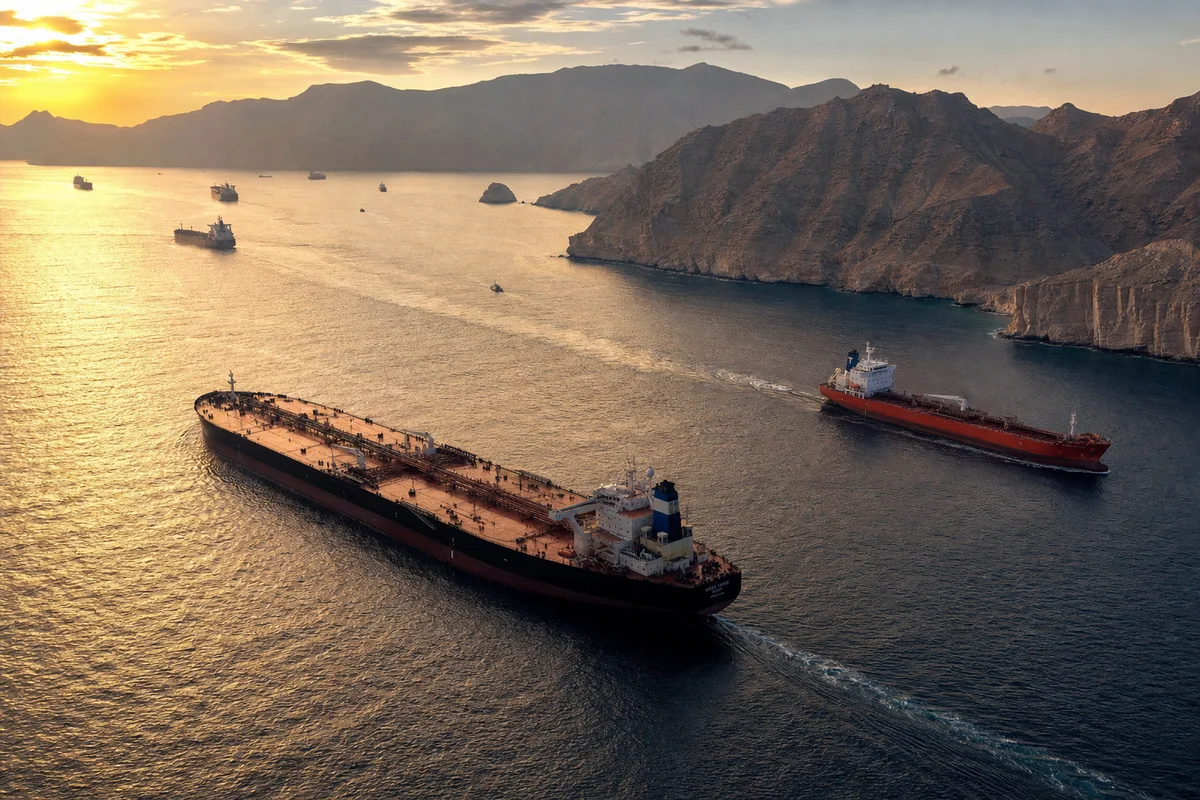
On May 28, 2026, Iran declared it could reopen the Strait of Hormuz within 30 days if a framework agreement with the United States is reached. This strategic waterway, currently affected by a partial naval blockade, is responsible for channeling approximately 20% of global liquefied natural gas (LNG) shipments. According to the International Energy Agency (IEA), this blockage has significantly exacerbated energy costs worldwide, driving up prices and fueling economic uncertainties. The announcement has triggered cautious optimism in global markets, with traders and policymakers closely monitoring ensuing diplomatic developments. (Source: IEA, Reuters, May 28, 2026)
Concrete Effects on Dubai’s Real Estate Market
Dubai’s real estate market has shown remarkable resilience amid global economic headwinds and geopolitical disruptions. Despite fluctuations in energy prices and trade tensions, the emirate continues to attract strong investor interest, particularly from Gulf Cooperation Council (GCC) countries. Data from the Dubai Land Department reveals a steady 4% year-on-year increase in property transactions in Q1 2026. Notably, luxury villas and waterfront apartments have seen heightened demand, partially driven by Gulf investors aiming to diversify portfolios beyond energy-dependent assets. At the same time, market analysts highlight a cautious approach, with buyers and sellers balancing optimism with risk management.
Outlook for Italian Investors: Scenarios and Opportunities
For Italian investors, Dubai remains a strategic safe haven amid global inflation and economic uncertainty. The city’s stable regulatory environment, tax benefits, and ongoing infrastructure developments offer compelling value propositions. The prospective reopening of the Strait of Hormuz could further stabilize regional energy prices, potentially reducing market volatility—an encouraging sign for international capital flows. Italian buyers should consider sectors with robust rental yields such as residential apartments in emerging neighborhoods and commercial properties in free zones. Furthermore, Dubai’s Expo legacy and vision for 2030 continue to fuel long-term growth prospects, reinforcing its appeal as a secure, diversified investment destination.

Why Rema Living Has the Practical Answers You Need
At Rema Living Real Estate, we combine in-depth market knowledge with tailored consulting to help Italian investors navigate Dubai’s dynamic real estate landscape. Our team tracks geopolitical shifts and market data daily to identify viable investment avenues calibrated to your risk profile and financial goals. Whether you seek high-yield rental properties or prime capital appreciation areas, Rema Living offers pragmatic strategies and hands-on support to maximize your returns with confidence and transparency. Partnering with us means gaining access to exclusive listings, market insights, and personalized advice—turning uncertainty into opportunity.
Common-Sense Advice for Investors
In times of geopolitical volatility, prudence remains paramount. Always conduct thorough due diligence and diversify your investment portfolio to mitigate risks. Monitor macroeconomic indicators and energy price trends that could indirectly affect Dubai’s real estate market. Consider engaging local experts who understand regulatory nuances and emerging market shifts. Remember, long-term consistency often outperforms short-term speculation. By prioritizing steady growth and liquidity, investors can preserve capital while capitalizing on Dubai’s status as a resilient global hub.

